The Electrical Side of Electric Water Heater Installation in Port St. Lucie
An electric water heater is one of the heaviest electrical loads in your home — and it needs its own 240-volt circuit to run safely. We run the dedicated circuit from your panel, size the breaker correctly, install the disconnect switch, and make the final electrical hookup at the unit. Plumbing is not our trade, so we coordinate with your plumber and handle the electrical side the right way.
- Dedicated 240V circuits
- Licensed #ER13016161
- Port St. Lucie & the Treasure Coast
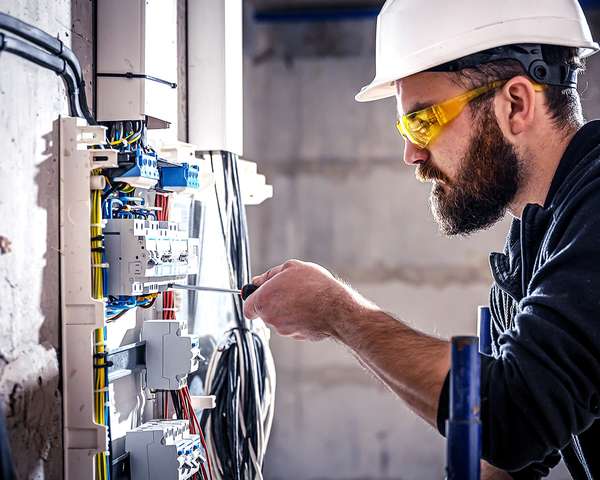
The Dedicated 240V Circuit Your Water Heater Needs
A standard electric water heater draws far more current than any general-purpose circuit in your home can carry. That's why it gets a circuit of its own — two hot legs, a properly rated breaker, and wire sized for the full load, run from your main panel to the water heater location.
- Its own circuit, no sharing. A water heater circuit feeds the water heater and nothing else — no outlets, no lights, no other appliances tapped in along the way.
- Correct breaker sizing. We match the breaker to the heater's wattage and to the wire gauge feeding it, following the National Electrical Code's sizing rules for continuous loads.
- The right wire, run properly. We pull the correct gauge conductor from the panel to the unit, secured and routed to code — through attics, garages, or utility closets common in Port St. Lucie homes.
- Tight, correct terminations. The connections at the panel, the disconnect, and the unit are landed and torqued so nothing overheats under load over time.
If your home was built with gas and you're switching to electric, there is usually no 240-volt circuit waiting where the unit sits — that run is the core of the job, and it's what we do.
Disconnect Switch and Code Requirements
Electrical code requires a way to shut off power to the water heater within sight of the unit. When we do the electrical hookup, that means:
- A disconnect within sight of the heater. A switch or disconnecting means must be located where the person servicing the unit can see that it's off — code requires this so nobody works on a live heater.
- A lockable breaker when needed. In layouts where a separate disconnect isn't practical, a lockable breaker in the panel can serve as the disconnecting means.
- Working clearance. The unit's electrical access points need proper clear space so the elements and wiring can be reached safely.
- Proper grounding and bonding. The circuit equipment ground and any required bonding connections are landed correctly at installation — not as an afterthought.
The electrical connections on the unit itself — the junction box at the top of the heater — are part of our scope. The water lines, valves, and drain connections are your plumber's.
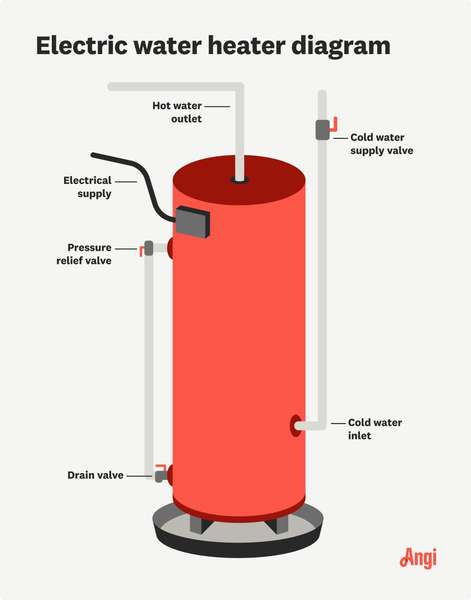
Our scope is the electrical supply side: the circuit, breaker, disconnect, and hookup wiring.
How the Job Goes When a New Unit Is Installed
A water heater installation is a two-trade job: the plumber handles the water lines, and we handle the electricity. Here's how we keep both trades from tripping over each other:
- We assess the electrical side first. We check your panel for breaker space and capacity, confirm the route for the wire run, and tell you exactly what electrical work the installation will need — before the plumber arrives.
- We coordinate the schedule. Your plumber sets the unit and connects the water lines while we run the circuit and mount the disconnect. We can work before, after, or alongside the plumber — you tell us who you're using and we coordinate.
- We make the electrical hookup. Once the unit is in place, we land the wiring at the heater's junction box, install and test the disconnect, and verify the breaker and wiring match the unit's rating.
- We power up and verify. We energize the circuit, confirm the unit is heating properly on its new circuit, and check that nothing in the panel is running hot or overloaded.
- You get one contact for the electrical. If anything electrical needs attention afterward — a breaker question, an inspection question — you call us at (561) 552-3753, not the plumber.
Already have a unit sitting unconnected? If your plumber set a new heater and left the wiring for the electrician, call us — hooking up a plumber-installed unit to a new or existing circuit is one of our most common calls.
Signs Your Water Heater's Electrical Supply Needs Attention
Sometimes the problem isn't the heater — it's the electricity feeding it. Call an electrician if you notice any of these:
- The breaker trips repeatedly. A breaker that keeps tripping on the water heater circuit is telling you something: a failing element, a developing short, or an overloaded circuit.
- Scorched wiring or discolored connections. Burn marks around the unit's junction box, a melted wire nut, or a warm breaker are signs of heat from a loose or undersized connection.
- A bigger replacement on the old circuit. Upgrading from a smaller unit to a higher-wattage one without upgrading the breaker and wire is one of the most common — and most dangerous — shortcuts. The circuit has to match the new unit.
- An old or corroded disconnect. Treasure Coast humidity and salt air corrode outdoor and garage-mounted electrical hardware over time, including disconnects and conduit fittings.
- No hot water after a storm or outage. Surges can damage breakers and wiring even when the heater itself is fine. If power was restored everywhere else but the water won't heat, the electrical supply is the first thing to check.
No hot water from an electrical failure counts as an emergency — our line is answered 24/7 at (561) 552-3753.
Frequently Asked Questions
Does an electric water heater need its own circuit?
Yes. Electric water heaters are high-wattage appliances that require a dedicated 240-volt circuit sized for their full load. Sharing that circuit with anything else is unsafe and against code. We install the dedicated circuit from your panel to the unit.
What size breaker does an electric water heater need?
It depends on the unit's wattage and the wire size feeding it — most residential electric heaters use a 30-amp double-pole breaker with 10-gauge copper wire, but larger units need more. We size the breaker to the specific heater being installed, following code rules for continuous loads.
My plumber already installed the unit. Can you hook it up electrically?
Yes — this is one of our most common calls. If the unit is set and the water lines are done, we run or verify the circuit, install the disconnect, and make the final electrical hookup at the heater.
How long does the electrical part take?
For a straightforward hookup where a circuit already exists, often under two hours. Running a brand-new circuit from the panel — through attics or garages to the unit — typically takes a few hours, depending on the length and difficulty of the run.
What if my electrical panel is full?
A full panel doesn't stop the job, but it does change the plan. Options include consolidating breakers with tandem breakers (where code allows), rearranging circuits to free a space, or upgrading the panel. We'll look at your panel and tell you which route makes sense before any work starts.
Do you handle permits or inspections for this work?
New water heater circuit work often requires a permit and inspection in St. Lucie and Martin counties. We'll tell you what's required for your specific job and can coordinate the electrical permit as part of the work.
Do you do the plumbing — water lines, valves, the tank itself?
No. We are electricians: our scope is the electrical circuit, breaker, disconnect, wiring, and hookup. We coordinate with your plumber so the water lines and the electrical work happen smoothly together.
My water won't heat and I think it's electrical. Do you offer 24/7 emergency service?
Yes. If a tripped breaker, scorched wiring, or a storm-damaged circuit has left you without hot water, call (561) 552-3753 any time — our line is answered 24/7, including weekends and holidays.
Areas We Serve
Electric water heater electrical work across these Treasure Coast communities:
- Port St. Lucie
- Fort Pierce
- Stuart
- Jensen Beach
- Palm City
Who You're Calling
- Company
- Florida Electrical and Fire Alarm LLC — the licensed company behind this site
- License
- Florida Electrical License #ER13016161
- Phone
- (561) 552-3753
- services.floridaelectrical@gmail.com
- Hours
- Monday–Saturday, 8 a.m.–5 p.m.; 24/7 emergency service
- Service area
- Port St. Lucie, Fort Pierce, Stuart, Jensen Beach & Palm City (service-area business — no walk-in location)
Request an Estimate
For non-urgent work, send us the details and we'll get back to you during regular hours. If this is urgent, call (561) 552-3753 now — don't wait on a form.